Mechanical transplanting is a critical link in improving crop yield and operational efficiency. In modern large-scale farming, selecting the appropriate machinery based on specific crop characteristics and soil conditions to minimize missing seedling rates, damage rates, and ensure survival rates is a core technical challenge for guaranteeing post-season yields.
Core Mechanism and Operating Principles of Rice Mechanical Transplanting
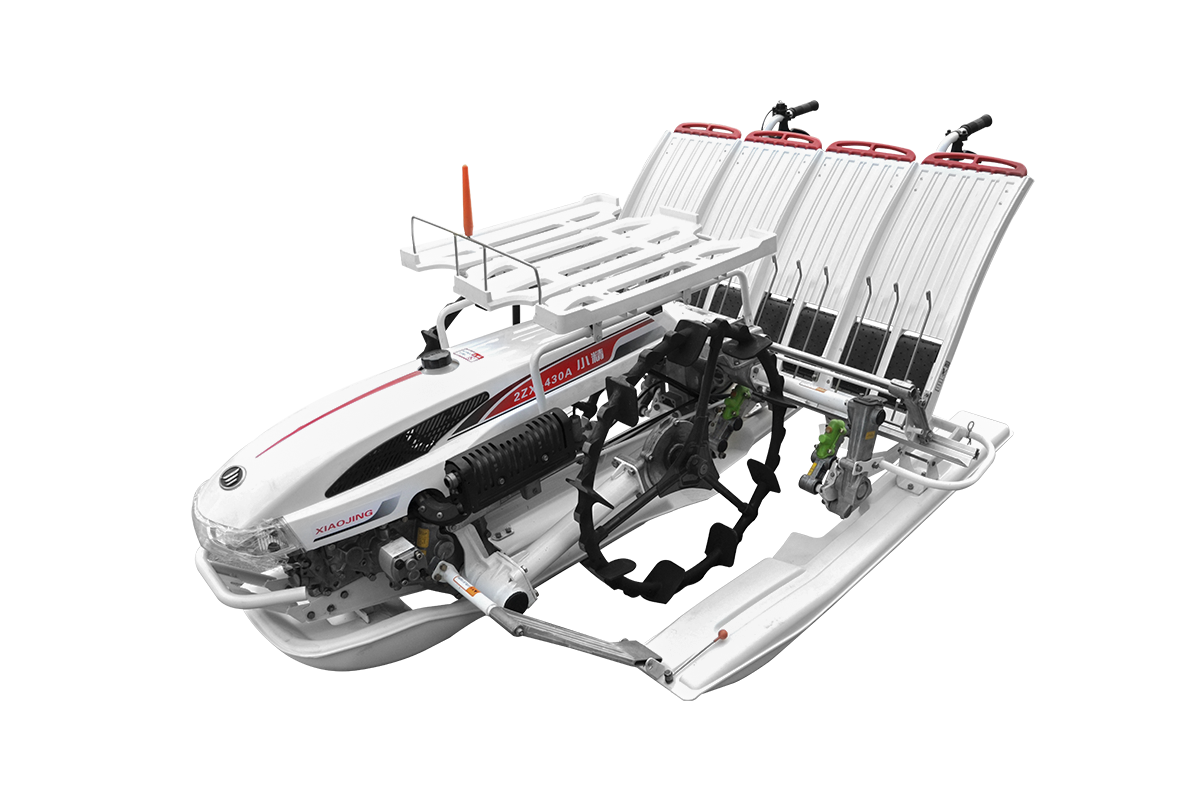
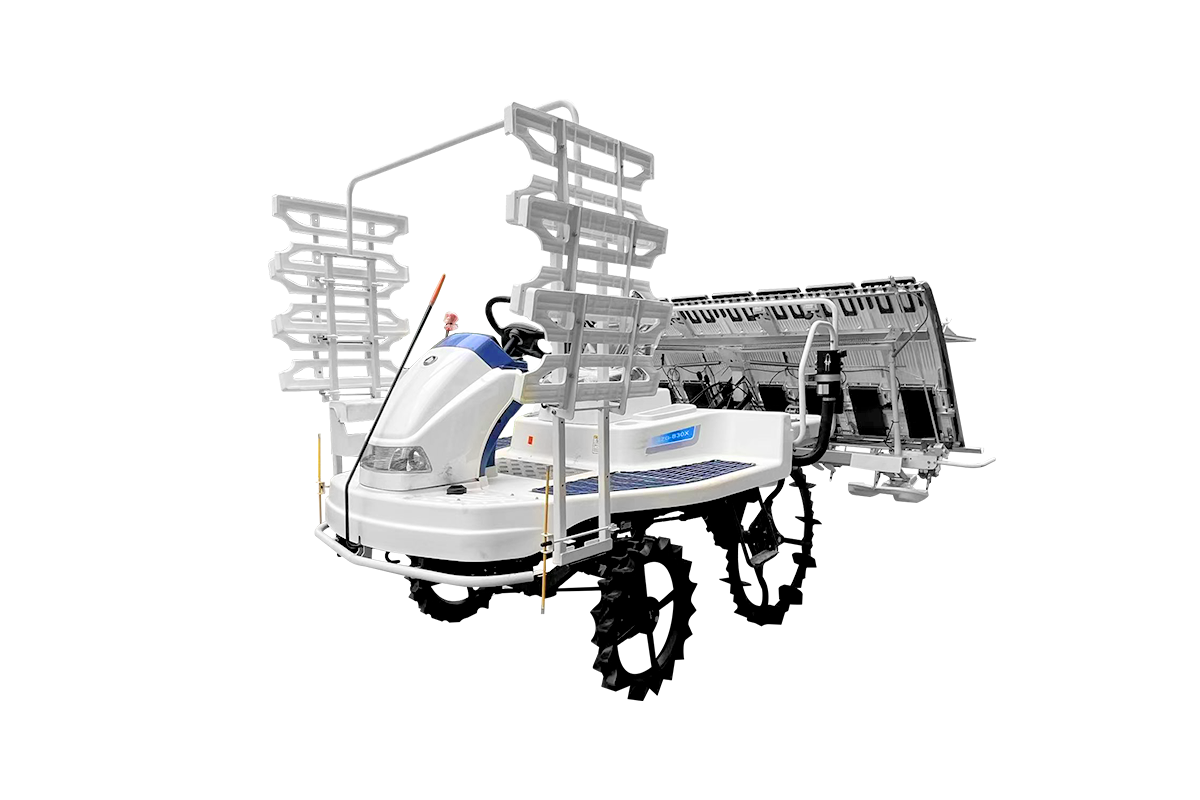
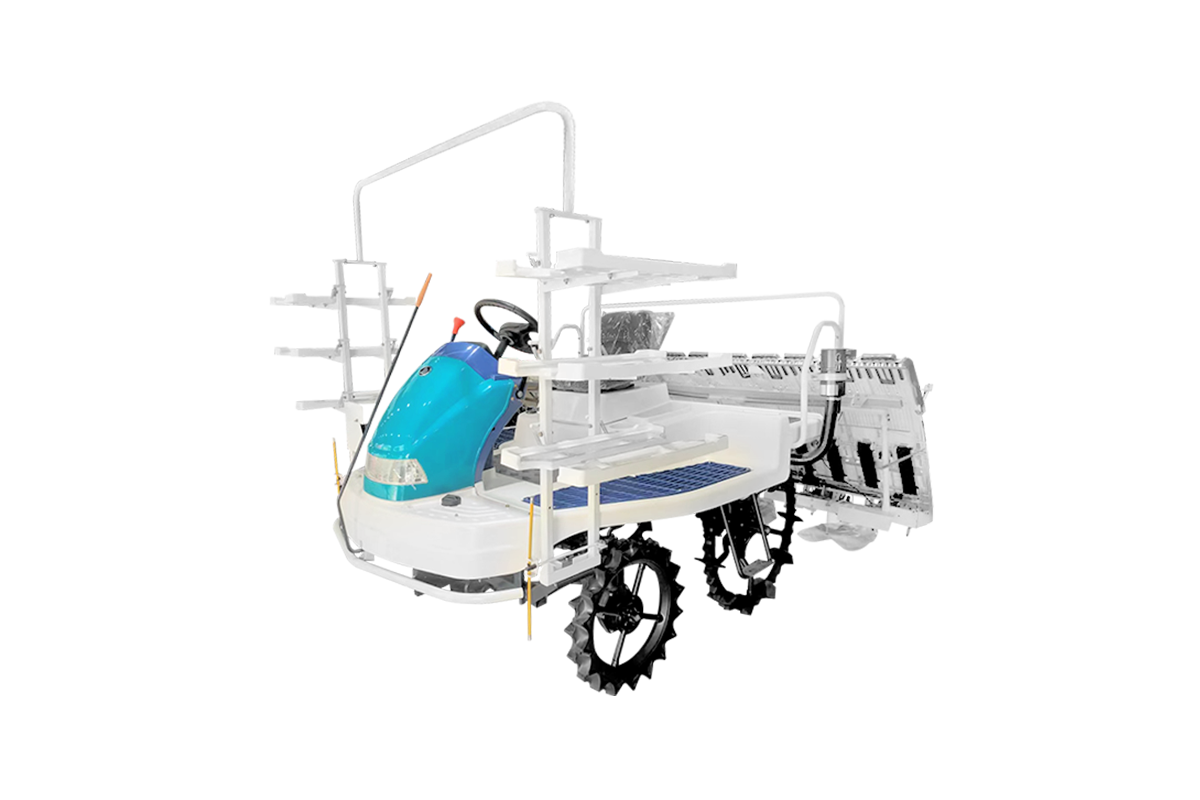
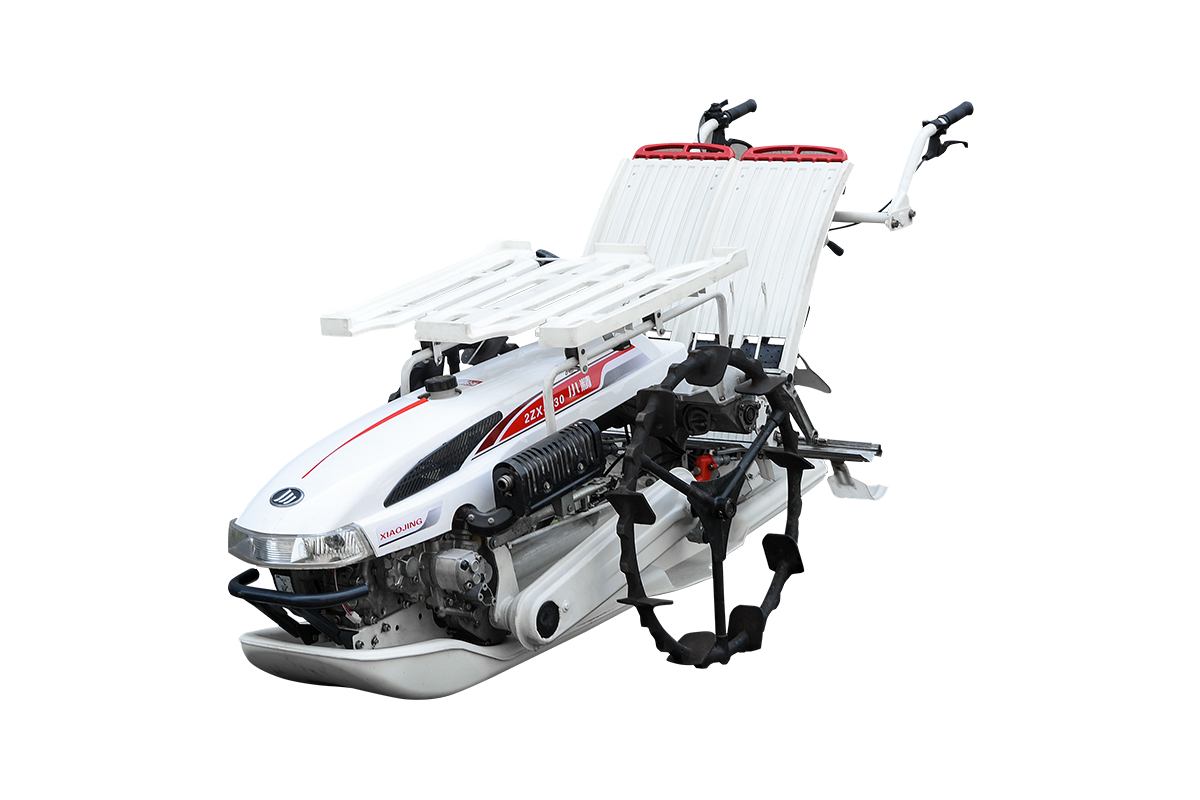
In rice cultivation, an efficient rice transplanter machine and rice transplanter rely heavily on the high-efficiency synchronization of the planting mechanism, the seedling feeding mechanism, and the ground hydraulic leveling system.
The core workflow is driven simultaneously by longitudinal and lateral seedling feeding mechanisms. When the rice planting machine is operating, the planting claws (transplanting arms) move along a specific trajectory, precisely picking a designated number of rice seedlings from the seedling tray and inserting them into the mud at a preset tilt angle. To maintain a uniform insertion depth in paddy fields with varying degrees of mud depth, the equipment must be equipped with a sensitive hydraulic balance sensing valve. This valve can micro-adjust the machine level in real-time based on ground resistance, preventing deep burial which leads to seedling suffocation, or shallow insertion which causes fallen or floating seedlings.
Mechanical Principle Differences in Vegetable and Cash Crop Transplanting
Unlike the mat-shaped seedlings used in rice planting, vegetables, tobacco, and medicinal herbs are typically grown in plug trays. This requires the vegetable transplanter and seedling planter machine to feature a completely different pick-and-drop mechanism.
This type of seedling transplanter usually utilizes a duckbill-style dropper or a rotary cup feeding mechanism. As the transplanter machine moves forward on dry land, the furrow opener first cuts the soil to form a planting trench of a specified depth. Then, the seedling feeding mechanism precisely drops an individual plug seedling into the trench. Immediately afterward, press wheels on both sides apply physical gravity to cover the soil and compact it, ensuring close contact between the root system and the soil. This system demands extreme synchronicity from the equipment, requiring absolute matching between the forward speed and the seedling dropping frequency to guarantee uniform intra-row spacing.
Core Parameter Comparison of Different Planting Models
| Technical Indicators and Parameter Classification |
Rice Type Models (Rice Planting Machine / Rice Transplanter) |
Dryland Vegetable Type Models (Vegetable Transplanter / Seedling Transplanter) |
| Applicable Crop Types |
Rice (Mat seedlings, Pot seedlings) |
Vegetables (Tomato, Pepper, Cabbage), Tobacco, Medicinal Herbs |
| Main Row Configurations |
4 rows, 6 rows, 8 rows |
1 row, 2 rows, 4 rows, 6 rows |
| Row Spacing Adjustment Range |
Fixed at 300mm, or adjustable from 250mm to 300mm |
200mm - 800mm (Highly adjustable based on wide/narrow row needs) |
| Plant Spacing Adjustment Range |
100mm - 220mm (Adjusted via gearbox shifts) |
150mm - 500mm (Adjusted via sprocket replacement or electronic control) |
| Planting Depth Control |
10mm - 50mm (Micro-adjusted via floating board and hydraulic system) |
30mm - 120mm (Adjusted via furrow opener and profiling wheel depth settings) |
| Missing Seedling Rate Index |
Less than or equal to 2% |
Less than or equal to 1.5% |
| Seedling Damage Rate Index |
Less than or equal to 4% |
Less than or equal to 1% (Minimal root damage due to cup or clamp type mechanisms) |
| Power Matching Requirements |
4.0 kW - 18.0 kW (Gasoline or Diesel engine) |
6.5 kW - 35.0 kW (Walk-behind type or pulled by four-wheel tractor) |
Technical Key Points for Reducing Missing Transplant Rates and Increasing Survival Rates
When operating a seedling planter machine or various transplanting equipment in practical scenarios, the adjustment of mechanical parameters directly determines the quality of operation. Solving the following technical points can significantly reduce field seedling mortality:
Matching Seedling Specifications with Planting Claw Deformation: When operating a rice transplanter, the density and root entanglement of the mat seedlings must meet standard requirements. If the planting claw picks too much, it will cause severe root damage; if it takes too little, it will lead to missing hills.
Control of Dryland Furrowing and Soil Compaction: When transplanting with a vegetable transplanter, soil moisture content should be maintained between 15% and 25%. Soil that is too dry causes the furrow to collapse after opening, leading to insufficient transplanting depth; soil that is too wet causes soil accumulation on the press wheels, preventing effective soil coverage and leaving the root systems of seedlings dropped by the seedling transplanter suspended in the air.
Coordination Between Forward Speed and Seedling Feeding Frequency: When using any transplanter machine, faster operating speed is not always better. The driving speed must be precisely calculated to match the manual feeding rate or the reciprocating frequency of the automated mechanical arm, thereby ensuring absolute consistency in plant spacing.






 [email protected]
 No. 1819, Renmin West Road, rue Cao'e, district de Shangyu, ville de Shaoxing, province du Zhejiang, Chine